
Intensive Applied Learning
Complete 360-hour summer internship with a variety of leading non-profit organizations, government agencies, policy think tanks and legislative offices.
Social Policy is About People.
At a Glance
Format: In-Person
Duration: One year
Best fit: Students seeking hands-on training in policy advocacy, statistics, and strategy to influence social change.
Behind every word in a bill, every data point in a study, every promise by a politician are the people who are affected by governmental actions. In the Master of Social Policy program, people and communities are at the heart of your policy curriculum, and you will graduate having the understanding and the skills to make policy change that actually improves people’s lives.

Policy is never enacted in a vacuum. Instead, community members, driven by a common goal, bring their diverse skills and talents to craft a policy solution. Our core curriculum prepares you to make an impact, building expertise in all areas of the policy ecosystem.
The MSP is a year-long, in-person, 31-credit program where students will build expertise through full and short courses, expand their skills through complementary elective classes, and implement their training through a hands-on internship in a local, state, national, or international setting.
Essential Coursework (15 credits)
Economics of Social Welfare - 3 credits
Social Policy Analysis and Evaluation - 3 credits
Policy and Advocacy in the Three Branches of Government - 3 credits
Management and Leadership for Policy and Practice - 3 credits
Statistical Analysis for Social Policy - 3 credits
Short Courses (4 credits)
May include offerings such as:
Political Negotiation and Strategy - 2 credits
Social Conditions and Interventions - 2 credits
The Politics of Food: A Policy Ecosystem Approach - 2 credits
Specialized Policy (3 credits)
May include offerings such as:
State-Level Lobbying - 3 credits
Local and Municipal Policy and Practice - 3 credits
Students will use their available elective credits to tailor their degree to the specific areas of interest and further develop specific skills in their intended areas of influence across the policy ecosystem. Courses may be taken at the Brown School or at other WashU schools, such as law or business, as long as course pre-requisites are met.
Following their study, students complete a full-time May through August summer internship, selecting placement from a variety of leading non-profits, government agencies, policy think tanks, or legislative offices. Through real-world experience, students put knowledge into action through significant opportunities for policy analysis, implementation, and/or practice.
Director of Advocacy
Sr. Director of Research and Evaluation
Non-Profit Executive Director
Legislative Aide
Manager of Organizational Capacity and Strategy
Child Welfare Program Specialist
Policy Associate
Election Compliance Support Specialist

The Master of Social Policy program (MSP) at the WashU Brown School is an intensive, one-year degree designed to help you turn passion into actionable change. Through 28 classroom credits and a hands-on summer internship, you will build the skills needed to analyze data, influence policy, and advance equity at the local, state, and federal levels.
MSP students participate in a full-time, 360-hour summer internship experience that is designed to translate classroom theory into applied practice in varied community settings.
Complete 360-hour summer internship with a variety of leading non-profit organizations, government agencies, policy think tanks and legislative offices.

Students research, apply for, and finalize their placement with support from field education faculty and program advisors. Students have completed their internships in St. Louis, Washington D.C., around the U.S. and globally.

From local placements to global opportunities, our Office of Practicum Education provides the guidance you need to navigate the selection process and maximize your impact.
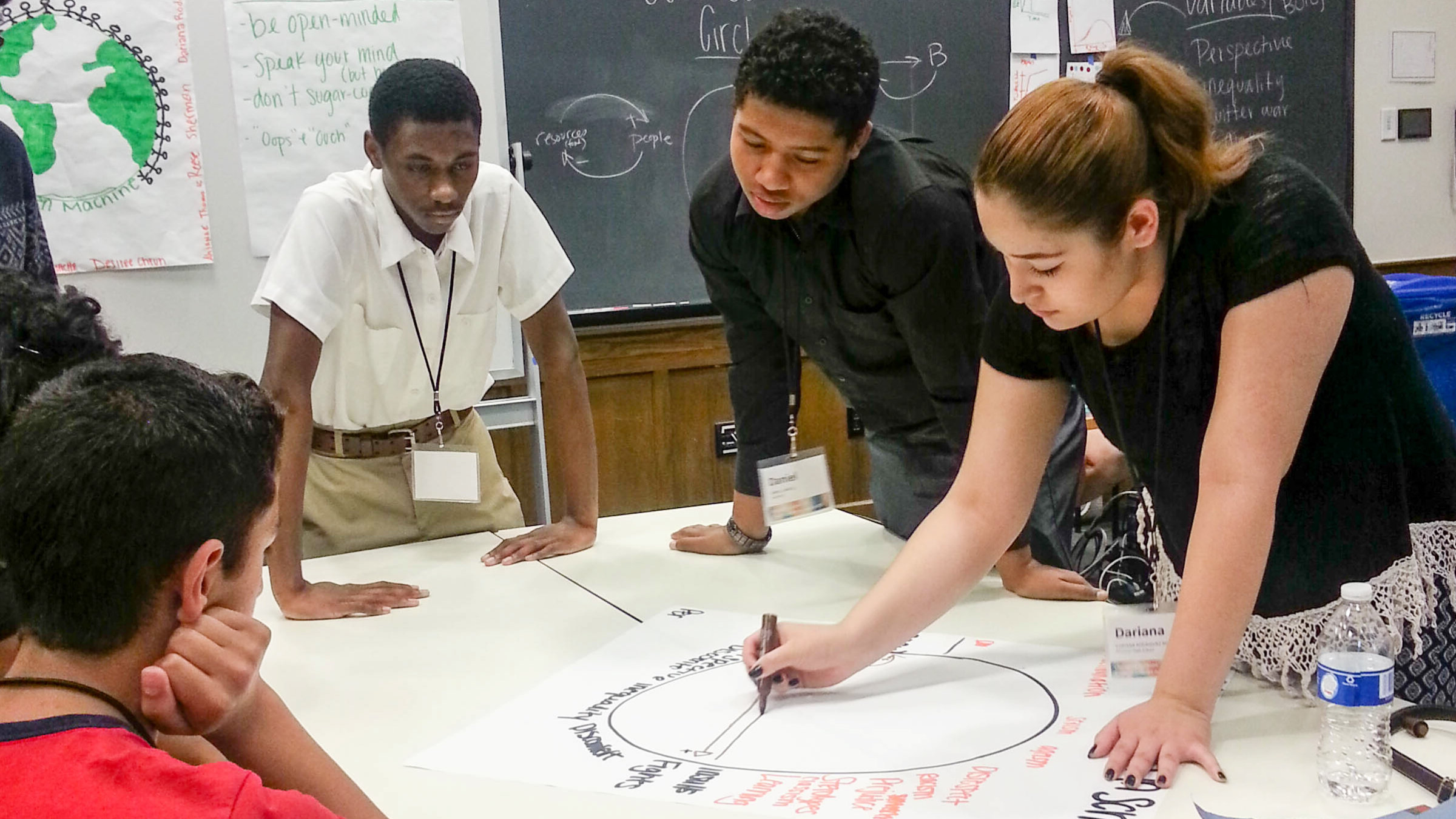
Grow hands-on capabilities in research, legislation, and advocacy across core issue areas.

Navigate degree requirements and keep your timeline on track.

Shape your course of study around your specific professional interests.

Support your growth and assess your performance in the field.
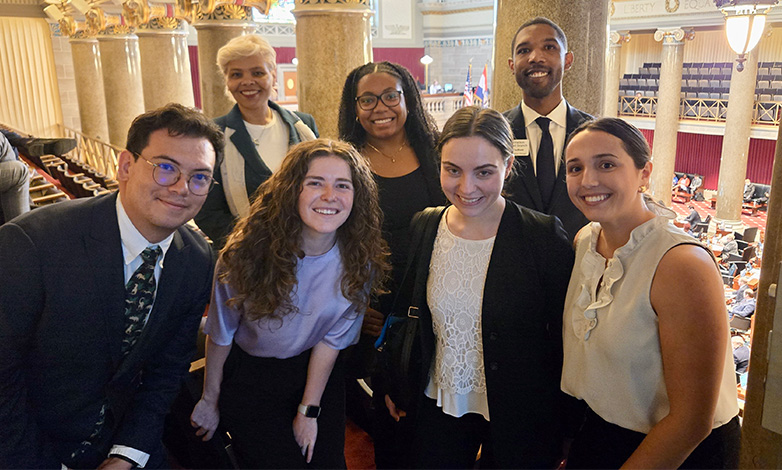
Our alumni have careers at policy nonprofits, think tanks, political campaigns, and at the local, state, and federal levels of government. Check out our testimonials below to see how MSP scholars are finding their place in policy and making a difference every day.
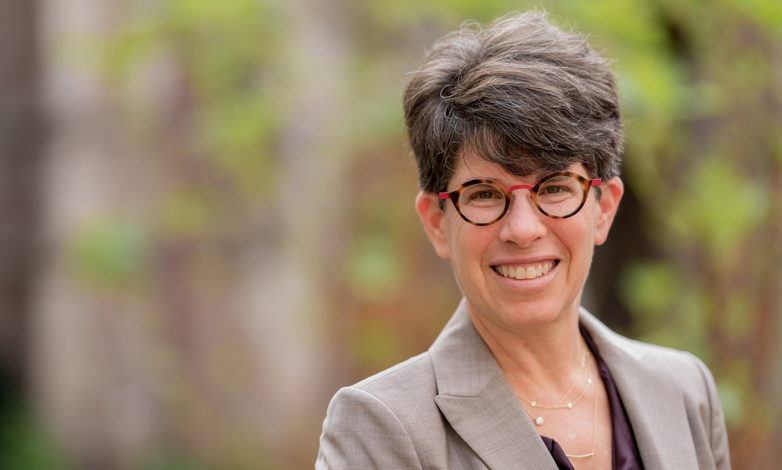
Anna Goldfarb Shabsin, JD MSW
Assistant Dean of Social Policy