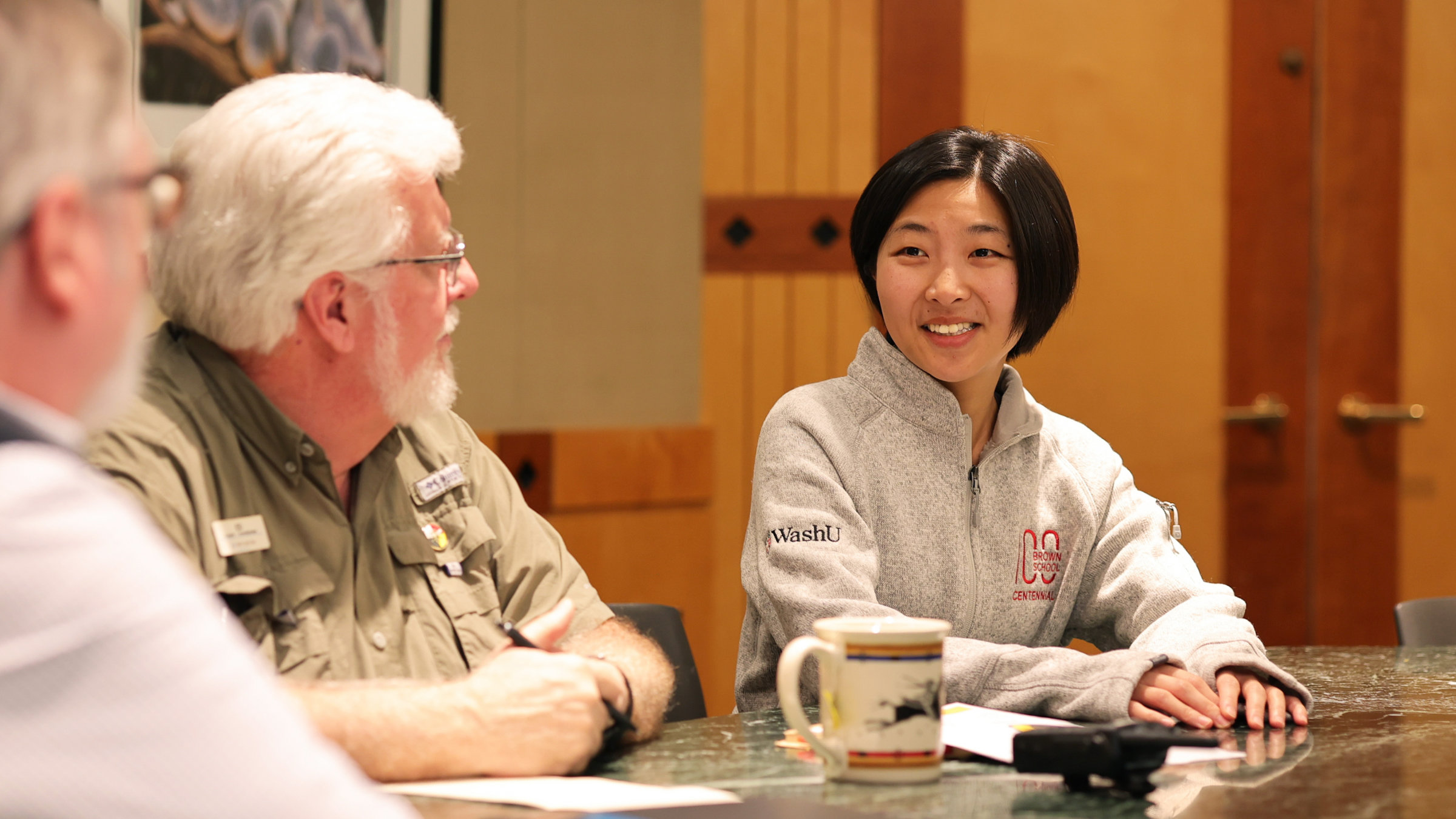
Intensive Applied Learning
Complete 360-hour Foundation Practicum, followed by a 600-hour Concentration Practicum at one of our 400+ partner organizations.
Leverage your previous credits and graduate sooner
At a Glance
Format: In-Person
Duration: 12 months or 16 months
Best fit: Recent BSW graduates from a CSWE-accredited program.
Students who have earned a bachelor’s degree in social work from a program accredited by the Council on Social Work Education within the past six years may be eligible to enter the Brown School’s nationally-ranked MSW program with Advanced Standing status. This status recognizes your prior social work experience by satisfying eligible MSW foundation requirements through your undergraduate coursework and practicum experience, allowing you to immediately begin with concentration-level study.
Advanced standing students benefit from the intentionally-designed social work curriculum that leverages their previous credits to allow them to enter the field faster with the tools, vision, and expertise to drive change. Through practicum study, students gain hands-on experience in the community while receiving full tuition funding for required practicum credits as well as a monthly living stipend. Our graduates join a global network of alumni who are actively influencing policy, leading organizations, and advancing social justice worldwide.
Grounded in research, driven by evidence, and enriched by practice, our MSW curriculum equips future social workers for impact. Advanced Standing students complete 39 credit hours at the Brown School comprised of the Bridge to Brown Summer Intensive course, concentration core courses, advanced and elective coursework, and concentration practicum. Students may complete their required credits on a 12-month timeline over two semesters plus summer coursework or a 16-month timeline over three academic semesters plus summer coursework.
To qualify for Advanced Standing status, you must have:
Eligibility is determined through a review of undergraduate social work coursework and field education experience for alignment with the Brown Schools’ MSW foundation coursework and requirements.
All curriculum and required credit hours are subject to change.
Advanced Standing students complete 39 credit hours at the Brown School in two academic semesters plus summer coursework and practicum.
August: 4-credit BSW Intensive: Bridge to Brown course
Fall 1: 15 credit hours
Spring 1: 15 credit hours; start practicum
Summer 1: 5 credit hours; complete practicum
August: Degree Completion
Considerations:
Advanced Standing students complete 39 credit hours at the Brown School in three academic semesters plus summer coursework and practicum.
August: 4-credit BSW Intensive: Bridge to Brown course
Fall 1: 9-15 credit hours
Spring 1: 9-15 credit hours; optional practicum start
Summer 1: 3-6 credit hours; practicum
Fall 2: 9-15 credit hours; complete practicum
December: Degree Completion
Considerations:
MSW students select a required concentration focus and career pathway from two options designed to focus learning in courses that align with their interests and career goals. Working with guidance from their faculty and academic advisors, students use their 35 concentration, advanced, and elective credits to select specific courses that build intentional depth within a practice area.
This concentration is designed for students who are motivated to address systemic inequities and the ways that power, policy, and institutions shape access to opportunity and contribute to well-being. The flexible curriculum emphasizes leadership, strategic thinking, and the design, implementation, and evaluation of programs and policies that drive social impact.
All students in this concentration participate in three required common core courses and a 600-hour concentration practicum for a total of 14 credits:
Students will select from one of three career pathways within the concentration that will inform their 21 credits of advanced and elective coursework:
Community, Economy, and Environment
Prepares students for macro-level practice in community and economic development, intersecting those fields with ecological stewardship and environmental justice to tackle challenges such as homelessness, structural racism, climate change and more.
Environment Justice Advocate
Community Organizer for Native Nations
Financial Social Worker
Community Wealth-builder
Economic Mobility Specialist
Community Development Director
Organizational Leadership and Management
Focuses on mezzo-level practice in non-profit, for-profit, and government human service organizations, preparing students for a variety of leadership positions as well as developing expertise in program design and organizational analysis.
Fund Developer
Operations Manager
Social Entrepreneur
Corporate Responsibility Officer
Program Evaluation Specialist
Non-profit Executive Director
Policy, Politics, and Government Administration
Equips students for macro-level practice in U.S. policy and politics across all branches of government and at the local, state, and federal levels, with training in advocacy, lobbying, policy evaluation and implementation, and elections.
Policy Advocate
Legislative Aide
Campaign Staffer
Lobbyist
Election Compliance Officer
Public Administrator
This concentration is designed for students who want to work directly with individuals, families, and groups to support healing, resilience, and well-being. Students are drawn to relational practice and seek to understand how trauma, environment, and lived experience shape human behavior. The flexible curriculum builds advanced skills in assessment, diagnosis, and evidence-informed intervention across diverse populations and settings.
All students in this concentration participate in three required common core courses and a 600-hour concentration practicum for a total of 15 credits:
Students will also select from one of three career pathways within their concentration that will inform their 20 credits of advanced and elective coursework:
Children, Youth, and Families Practice
Focuses on prevention, promotion, intervention and treatment that enhances resilience and social-emotional development among youth and families, reduces disparities, and supports thriving communities.
Youth Development Specialist
Youth Crisis Counselor
Juvenile Justice Social Worker
School Social Worker
Child and Adolescent Therapist
Case Manager
Child Welfare Practitioner
Clinical Social Work Practice
Prepares students for licensed clinical practice in diverse behavioral health settings with emphasis on assessment, diagnosis, planning, and delivery of evidence-based interventions with individuals and groups.
LCSW/Therapist
Sexual Health Counselor
Substance Use Disorder Therapist
Geriatric Social Worker
Behavioral Health Clinician
Clinical Social Worker with Tribal Communities
Health Promotion and Prevention Practice
Equips students for practice that involves prevention, health promotion, psychoeducation, harm reduction, violence prevention and other evidence-informed risk-reduction approaches with individuals, families, and groups .
Violence Prevention Practitioner
Prevention Specialist
Advocate for Intimate Partner Violence
Harm Reduction Counselor
Palliative Care Social Worker
Sexual Assault Crisis Interventionist

Every MSW student receives financial support for required practicum credits, including tuition coverage and a living stipend.
Your practicum is the bridge between theory and practice, designed to build your leadership, clinical skills, and professional network.
Complete 360-hour Foundation Practicum, followed by a 600-hour Concentration Practicum at one of our 400+ partner organizations.
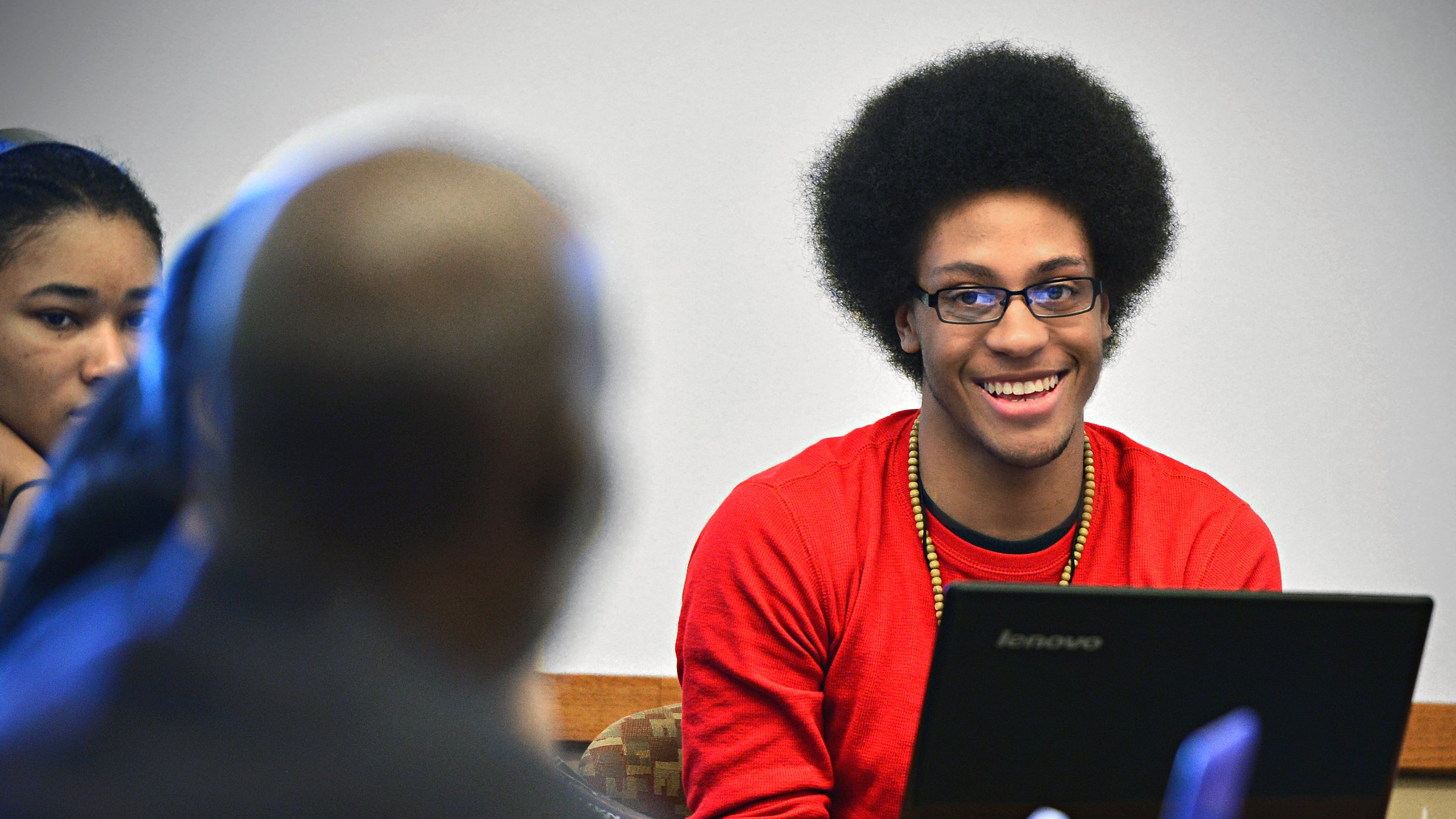
You curate your path. With support from expert field advisors and our Foundations of Field course, you choose a site that matches your specific interests and goals.

From local placements to global opportunities, our Office of Practicum Education provides the guidance you need to navigate the selection process and maximize your impact.
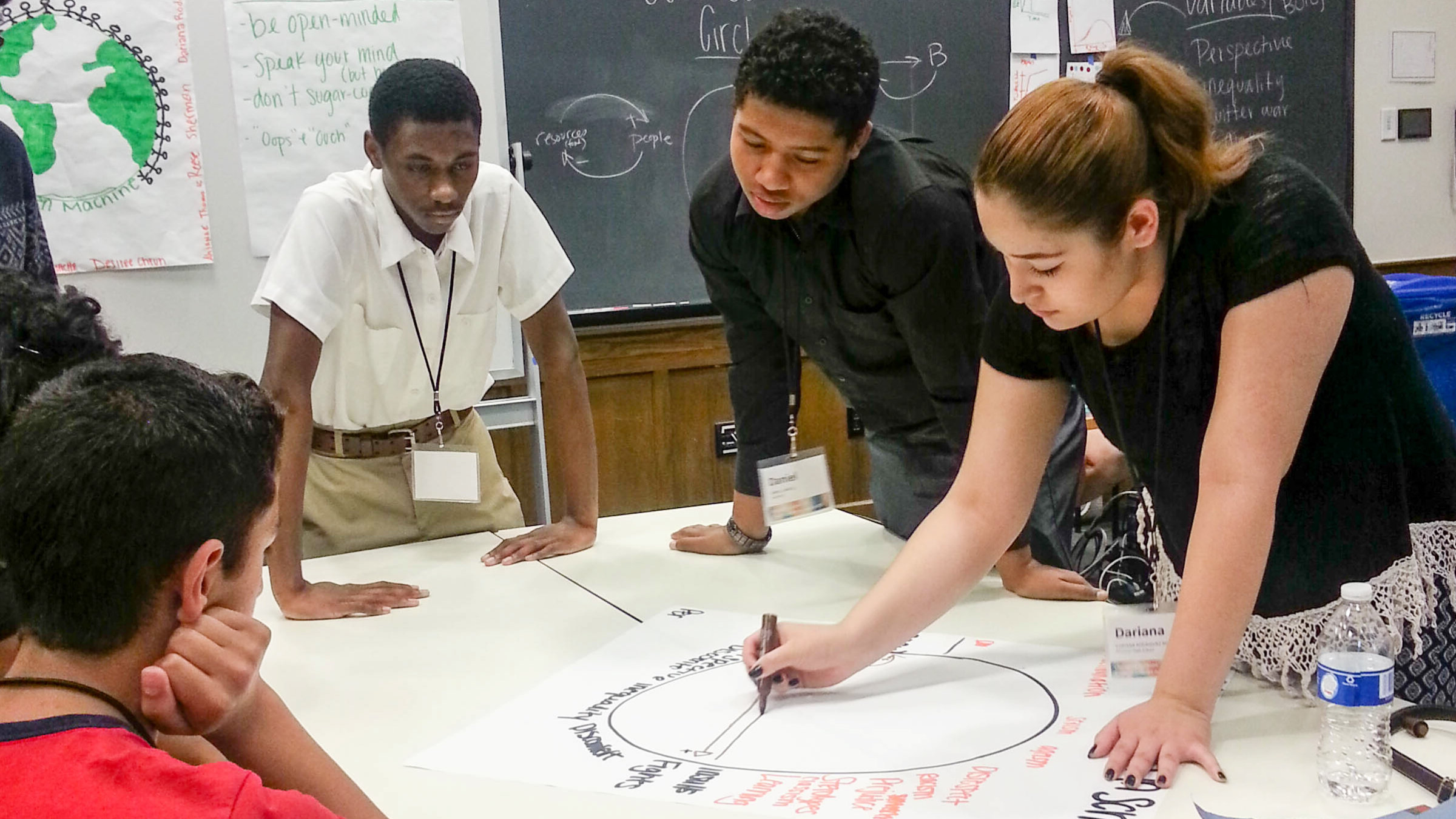
Opportunities exist to fold research and evaluation projects into your placement, allowing you to use your site as a hub for advanced academic inquiry.
Our 3:1 advising model pairs every student with three distinct mentors to ensure complete support across academic, professional, and practical areas.
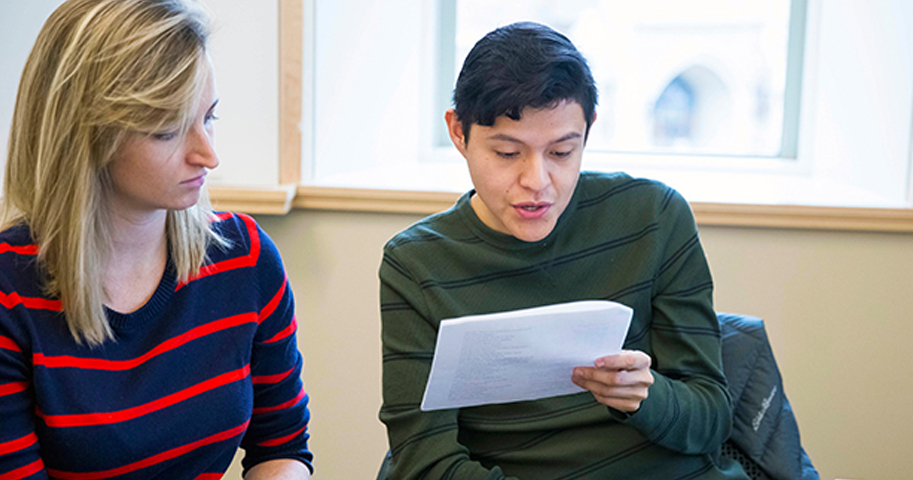
Navigate degree requirements and keep your timeline on track.

Shape your course of study around your specific professional interests.
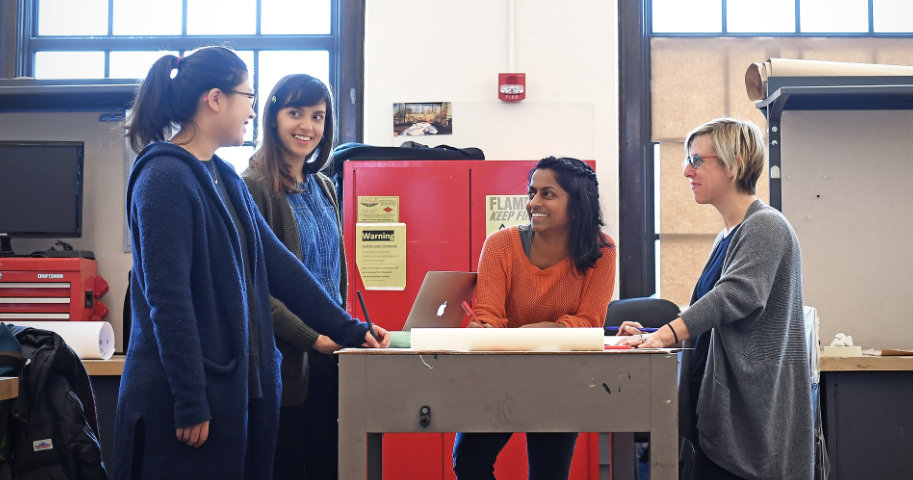
Support your growth and assess your performance in the field.